The Hidden Foundation of Women’s Health
What Are the Pelvic Floor Muscles?
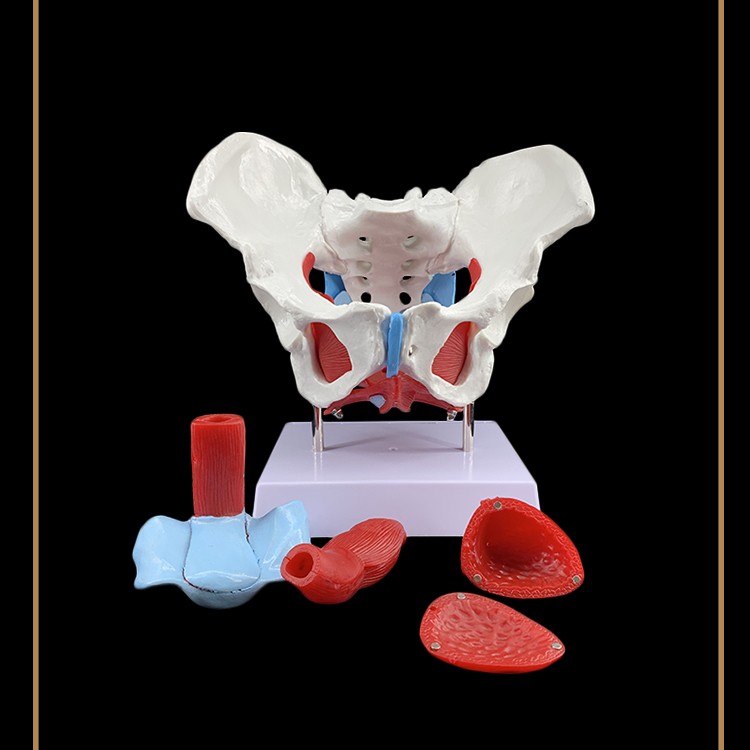
Healthy pelvic floor muscles possess adequate strength, flexibility, and coordination. They play an essential role in maintaining pelvic organ support, bladder and bowel control, core stability, and sexual function.
What Are the Functions of the Pelvic Floor?
1. Support the Pelvic Organs; 2. Maintain Bladder and Bowel Control; 3. Enhance Core Stability and Improve Quality of Life; 4. Support Postpartum Recovery
Why Is the Transversus Abdominis Important?
The transversus abdominis is often referred to as the body’s natural corset because of its critical role in trunk stability.
“
What Is the Goal of Pelvic Rehabilitation?
- Restore pelvic stability
- Improve posture and body alignment
- Reduce low back pain
- Enhance functional movement and physical performance
- Support pelvic floor recovery
Pelvic rehabilitation focuses on improving muscular balance, coordination, and stability—it does not involve ‘pushing the bones back into place.’
Can Pelvic Floor Dysfunction Be Improved?
Most functional pelvic floor disorders can be improved through comprehensive evaluation, individualized rehabilitation programs, healthy lifestyle modifications, and evidence-based treatment. Early assessment and intervention generally lead to better outcomes. Maintaining a healthy lifestyle, performing appropriate exercises, and undergoing regular pelvic floor assessments are important steps toward preserving long-term pelvic health.
Take Care of Your Pelvic Floor—Because Every Woman Deserves Better Health
Pelvic floor health is an essential part of overall well-being. Understanding your body is the first step toward prevention, recovery, and lifelong wellness. By promoting awareness, early intervention, and evidence-based rehabilitation, every woman can enjoy a healthier, more confident, and more comfortable life.