Understanding the Pelvic Floor:
The Hidden Foundation of Women’s Health
What Are the Pelvic Floor Muscles?
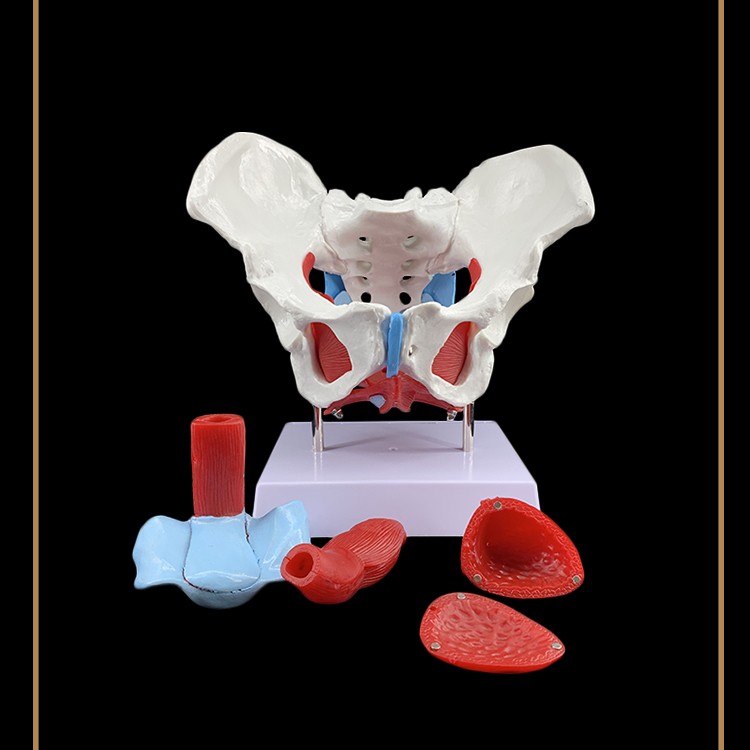
The pelvic floor is a complex group of muscles, fascia, and connective tissues located at the base of the pelvis. Together, these structures form a supportive, hammock-like system that helps support the bladder, uterus, vagina, and rectum.
Healthy pelvic floor muscles possess adequate strength, flexibility, and coordination. They play an essential role in maintaining pelvic organ support, bladder and bowel control, core stability, and sexual function.
What Are the Functions of the Pelvic Floor?
1. Support the Pelvic Organs
The pelvic floor supports the bladder, uterus, rectum, and other pelvic organs, helping maintain their proper anatomical position and reducing the risk of pelvic organ prolapse.
2. Maintain Bladder and Bowel Control
The pelvic floor works together with the urethral and anal sphincters to maintain urinary and bowel continence, helping reduce the risk of urinary and fecal incontinence.
3. Enhance Core Stability and Improve Quality of Life
The pelvic floor is an essential component of the body’s core muscle system. It works in coordination with the abdominal muscles, diaphragm, and deep spinal muscles to stabilize the trunk, reduce stress on the lower back, and contribute to healthy sexual function and overall quality of life.
4. Support Postpartum Recovery
Pregnancy and childbirth place considerable stress on the pelvic floor tissues. Evidence-based pelvic floor rehabilitation can help restore pelvic floor function, improve postpartum symptoms such as urinary leakage and pelvic heaviness, and serve as an important component of comprehensive postpartum rehabilitation. When combined with core muscle training, rehabilitation may also help improve conditions such as diastasis recti.
Who Should Pay Attention to Pelvic Floor Health?
- Women during pregnancy and after childbirth
- Women experiencing menopause
- Individuals with chronic coughing or constipation
- Individuals who are overweight or obese
- Those who frequently perform heavy lifting or participate in high-impact physical activities
- Individuals experiencing urinary leakage, urinary urgency, frequent urination, or pelvic pressure
Signs and Symptoms of Pelvic Floor Dysfunction
- Urinary leakage during coughing, sneezing, laughing, or exercise
- Frequent urination, urinary urgency, or nighttime urination
- A feeling of heaviness or pressure in the vagina or pelvis
- Lower back or sacral discomfort
- Decreased sexual satisfaction
- Pelvic organ prolapse
What Muscles Make Up the Core?
The body’s core system consists of several muscles working together to provide stability and support, including:
- Transversus abdominis
- Internal oblique
- External oblique
- Rectus abdominis
- Multifidus
- Diaphragm
- Pelvic floor muscles
Together, these muscles form the body’s deep core system, which provides stability for movement, posture, and spinal support.
Why Is the Transversus Abdominis Important?
The transversus abdominis is often referred to as the body’s natural corset because of its critical role in trunk stability.
Its primary functions include:
- Stabilizing the lumbar spine
- Supporting the abdominal organs
- Maintaining intra-abdominal pressure
- Working synergistically with the pelvic floor muscles
Weakness of the transversus abdominis may contribute to:
- Lower abdominal protrusion
- Low back pain
- Pelvic instability
- Urinary leakage
Can Sit-Ups Repair the Postpartum Abdomen?
No.
For individuals with diastasis recti, performing the following exercises too early in the recovery process may worsen the separation:
- • Sit-ups
- • Crunches
- • Planks
Instead, rehabilitation should begin with:
- Diaphragmatic breathing
- Transversus abdominis activation
- Pelvic floor muscle training
What Is Diastasis Recti?
During pregnancy, the growing uterus stretches the abdominal wall, causing the left and right rectus abdominis muscles to separate.
- A separation of less than 2 cm is considered within normal limits.
- A separation of greater than 2 cm may be diagnosed as diastasis recti.
Common symptoms include:
- Lower abdominal bulging
- Low back pain
- Core muscle weakness
- Poor posture
Why Does the Pelvis Become Wider During Pregnancy?
During pregnancy, the body produces the hormone relaxin, which increases ligament flexibility in preparation for childbirth.
- • Widening of the pelvis
- • Increased mobility of the pubic symphysis
- • Sacroiliac joint instability
These changes help facilitate childbirth but may also contribute to pelvic discomfort and instability.
Signs of Pelvic Misalignment or Instability
- Uneven hips
- Functional leg-length discrepancy
- Low back pain
- Hip or buttock pain
- Altered walking mechanics
- Lower abdominal protrusion
What Is the Goal of Pelvic Rehabilitation?
- Restore pelvic stability
- Improve posture and body alignment
- Reduce low back pain
- Enhance functional movement and physical performance
- Support pelvic floor recovery
Pelvic rehabilitation focuses on improving muscular balance, coordination, and stability—it does not involve ‘pushing the bones back into place.’
Can Pelvic Floor Dysfunction Be Improved?
Most functional pelvic floor disorders can be improved through comprehensive evaluation, individualized rehabilitation programs, healthy lifestyle modifications, and evidence-based treatment. Early assessment and intervention generally lead to better outcomes. Maintaining a healthy lifestyle, performing appropriate exercises, and undergoing regular pelvic floor assessments are important steps toward preserving long-term pelvic health.
Take Care of Your Pelvic Floor—Because Every Woman Deserves Better Health
Pelvic floor health is an essential part of overall well-being. Understanding your body is the first step toward prevention, recovery, and lifelong wellness. By promoting awareness, early intervention, and evidence-based rehabilitation, every woman can enjoy a healthier, more confident, and more comfortable life.